Your cart is currently empty!
Blog
How to Maintain Stainless Steel Kitchen Equipment for Long-Lasting Performance
Stainless steel remains the material of choice for commercial kitchens because of its durability, hygiene, and corrosion resistance, making it essential in restaurants, hotels, hospitals, and food processing facilities worldwide. However, industry experience shows that even the highest-quality stainless steel can lose its performance and appearance without proper stainless steel kitchen equipment maintenance. Many business owners mistakenly believe stainless steel is maintenance-free, only to face unexpected stains, corrosion, and costly repairs over time. Understanding the right maintenance approach can make a significant difference in protecting your equipment, maintaining food safety standards, and maximizing your long-term investment.
Why Stainless Steel Kitchen Equipment Maintenance Is Essential for Every Commercial Kitchen
Proper stainless steel kitchen equipment maintenance is essential for keeping commercial kitchens safe, efficient, and cost-effective. Beyond preserving the appearance of your equipment, regular maintenance extends its lifespan, supports food safety compliance, minimizes costly repairs, and improves daily operational performance. Whether you manage a restaurant, hotel, hospital, catering business, or other food service establishment, investing in stainless steel kitchen equipment maintenance helps protect your equipment while maximizing its long-term value. Here are the key reasons why every commercial kitchen should make stainless steel kitchen equipment maintenance a top priority:
1. Extend the Lifespan of Your Stainless Steel Equipment
Commercial kitchen equipment is a major investment, making its longevity a priority for every business. Explain how regular stainless steel kitchen equipment maintenance minimizes wear and tear caused by daily operations, preventing premature deterioration and extending the usable life of sinks, work tables, shelving, cabinets, and other equipment. Discuss how preventive care helps preserve structural integrity, maintain optimal performance, and reduce the need for frequent replacements. Highlight that businesses with consistent maintenance routines often achieve greater value from their equipment over the long term.
2. Improve Food Safety and Kitchen Hygiene
Clean and properly maintained equipment plays a vital role in maintaining food safety standards. Discuss how stainless steel kitchen equipment maintenance removes grease, food particles, moisture, and bacteria that can accumulate on food-contact surfaces. Explain how regular cleaning reduces the risk of cross-contamination, supports compliance with food safety regulations, and creates a healthier environment for food preparation. Emphasize that maintaining hygienic equipment helps protect both customers and staff while preserving food quality.
3. Reduce Costly Repairs and Equipment Downtime
Routine maintenance helps identify small problems before they develop into expensive repairs. Explain how regular inspections can reveal loose fittings, damaged welds, minor corrosion, or worn components that require attention. Discuss how addressing these issues early minimizes unexpected equipment failures that can disrupt kitchen operations during busy service hours. Highlight the financial and operational benefits of reducing repair costs, avoiding downtime, and maintaining uninterrupted productivity.
4. Preserve a Professional and Modern Kitchen Appearance
The condition of commercial kitchen equipment reflects the professionalism of the business that operates it. Explain how stainless steel kitchen equipment maintenance prevents stains, discoloration, fingerprints, scratches, and dull surfaces that diminish the appearance of the kitchen. Discuss how polished, well-maintained equipment creates a clean and organized workspace that leaves a positive impression on customers, employees, and health inspectors. Highlight the importance of maintaining a professional appearance in open kitchens where customers can observe food preparation.
5. Improve Operational Efficiency and Equipment Performance
Properly maintained equipment performs more efficiently and supports smoother kitchen operations. Discuss how removing grease buildup, food residue, and other contaminants helps work surfaces, sinks, shelving, and preparation stations function effectively. Explain how consistent stainless steel kitchen equipment maintenance reduces operational interruptions, improves workflow, and enables kitchen staff to complete tasks more efficiently. Emphasize that reliable equipment contributes to increased productivity and a better overall working environment.
6. Maximize Your Return on Investment
Investing in regular stainless steel kitchen equipment maintenance helps businesses protect one of their most valuable operational assets. Explain how preventive maintenance lowers long-term ownership costs by reducing emergency repairs, delaying equipment replacement, and maintaining consistent performance. Discuss how a proactive maintenance strategy allows businesses to maximize the value of their investment while improving operational reliability. Conclude by reinforcing that consistent maintenance is one of the most cost-effective ways to protect commercial kitchen equipment and support sustainable business growth.
What Are the Best Cleaning Products for Stainless Steel Kitchen Equipment?
Choosing the right cleaning products is an essential part of effective stainless steel kitchen equipment maintenance because the wrong products can damage the protective surface and shorten the lifespan of your equipment. Safe, non-abrasive cleaners not only remove grease, stains, and bacteria but also help preserve the corrosion-resistant properties that make stainless steel ideal for commercial kitchens. Using appropriate cleaning materials consistently keeps equipment hygienic, maintains its professional appearance, and supports long-term performance. The following cleaning products are among the safest and most effective options for stainless steel kitchen equipment maintenance:
1. Mild Dish Soap for Everyday Cleaning
Mild dish soap is one of the safest and most effective cleaning solutions for daily stainless steel kitchen equipment maintenance. Explain how it easily removes grease, food residue, fingerprints, and light stains without damaging the protective chromium oxide layer that prevents corrosion. Discuss the proper method of mixing a small amount of dish soap with warm water and applying it using a soft microfiber cloth or non-abrasive sponge before rinsing thoroughly. Emphasize the importance of avoiding highly concentrated detergents or products containing bleach, as these may gradually damage the stainless steel surface despite regular cleaning.
2. White Vinegar for Removing Mineral Deposits
White vinegar is an excellent natural cleaning solution for removing hard water stains, mineral deposits, and light discoloration from stainless steel surfaces. Explain how its mild acidity dissolves mineral buildup without harming properly maintained stainless steel when used correctly. Discuss the best practice of applying vinegar with a soft cloth, allowing it to sit briefly on affected areas before rinsing thoroughly with clean water and drying the surface completely. Highlight that vinegar should never be left on stainless steel for extended periods and should always be diluted or used sparingly as part of responsible stainless steel kitchen equipment maintenance.
3. Baking Soda for Stubborn Stains
Baking soda provides a gentle yet effective solution for removing stubborn grease, burnt-on residue, and difficult stains without scratching stainless steel surfaces. Explain how creating a paste with baking soda and water allows users to treat problem areas using gentle circular motions with a soft cloth. Discuss why baking soda is preferred over abrasive cleaning powders because it cleans effectively while protecting the equipment’s finish. Reinforce the importance of rinsing thoroughly after cleaning to prevent residue buildup and maintain proper stainless steel kitchen equipment maintenance practices.
4. Commercial Stainless Steel Cleaners and Polish
Commercial stainless steel cleaners and polishes are specifically formulated to clean, protect, and enhance stainless steel surfaces used in commercial kitchens. Explain how these products remove fingerprints, grease, light stains, and surface marks while leaving behind a protective layer that helps resist moisture and future contamination. Discuss the importance of selecting food-safe cleaners that are designed specifically for commercial stainless steel equipment and following the manufacturer’s instructions for application. Emphasize that excessive use of polishing products should be avoided, as only a thin protective coating is needed to support effective stainless steel kitchen equipment maintenance.
5. Why Microfiber Cloths Are the Best Choice
Microfiber cloths are one of the most valuable tools for stainless steel kitchen equipment maintenance because they clean surfaces effectively without causing scratches or leaving lint behind. Explain how the fine fibers capture grease, dust, moisture, and bacteria more efficiently than ordinary cleaning cloths while reducing the need for excessive cleaning chemicals. Discuss the importance of using clean microfiber cloths for washing, rinsing, drying, and polishing to prevent cross-contamination and maintain a streak-free finish. Conclude by highlighting that replacing worn or heavily soiled microfiber cloths regularly helps ensure consistent cleaning results and protects the long-term appearance of stainless steel kitchen equipment.
How to Remove Rust, Grease, Water Spots, and Other Common Stainless Steel Stains
Even with proper care, stainless steel kitchen equipment can develop stains, grease buildup, water spots, and minor corrosion due to continuous exposure to moisture, heat, and food materials. Knowing how to address these issues correctly is an important part of stainless steel kitchen equipment maintenance because improper cleaning methods can worsen damage and affect the equipment’s protective surface. Using safe products and proven cleaning techniques helps restore the appearance of stainless steel while preventing future problems. The following methods explain how to safely remove common stainless steel stains while protecting the durability and performance of commercial kitchen equipment:
1. Removing Grease Without Damaging the Surface
Grease buildup is one of the most common challenges in commercial kitchens because stainless steel equipment is constantly exposed to oils, cooking residues, and food preparation activities. Explain how removing grease quickly prevents sticky residue, unpleasant odors, and surface discoloration. Discuss the step-by-step process of using warm water, mild dish soap, and a soft microfiber cloth to loosen and remove grease without scratching the equipment. Highlight the importance of rinsing thoroughly and drying the surface afterward to prevent residue buildup. Emphasize that regular grease removal is an essential part of stainless steel kitchen equipment maintenance because it keeps equipment hygienic and preserves its finish.
2. Eliminating Water Spots and Mineral Deposits
Water spots and mineral deposits often appear when moisture is left to dry naturally on stainless steel surfaces, especially in areas with hard water. Explain how these marks are caused by mineral residue left behind after water evaporates. Discuss how using diluted white vinegar or a stainless steel-safe cleaner can help dissolve mineral buildup without damaging the surface. Provide a step-by-step approach, including applying the solution, wiping with the grain, rinsing thoroughly, and drying completely. Reinforce that preventing water spots through proper drying practices is a key part of effective stainless steel kitchen equipment maintenance.
3. Treating Surface Rust Before It Spreads
Although stainless steel is corrosion-resistant, surface rust can develop when the protective chromium oxide layer is damaged or when equipment is exposed to harsh conditions. Explain why addressing rust early prevents it from spreading and causing deeper corrosion. Discuss safe methods for removing minor surface rust, such as using baking soda paste, stainless steel cleaners, or manufacturer-approved rust removers with a soft cloth. Highlight the importance of avoiding abrasive tools that can create more scratches and worsen corrosion. Emphasize that early rust treatment should always be combined with proper stainless steel kitchen equipment maintenance to prevent recurring problems.
4. Restoring Shine to Dull Stainless Steel Equipment
Over time, stainless steel equipment may lose its shine due to frequent use, cleaning residue, fingerprints, and exposure to kitchen conditions. Explain how restoring the finish requires gentle cleaning rather than aggressive scrubbing. Discuss the process of removing surface buildup, rinsing thoroughly, drying completely, and applying a suitable stainless steel polish when necessary. Highlight the importance of polishing along the grain direction to maintain a smooth and professional appearance. Explain that restoring shine regularly as part of stainless steel kitchen equipment maintenance helps commercial kitchens maintain a clean and well-maintained environment.
5. Removing Heat Discoloration Safely
Heat exposure from cooking equipment can cause stainless steel surfaces to develop yellow, blue, or rainbow-colored discoloration. Explain that these marks occur when high temperatures affect the surface finish rather than indicating immediate structural damage. Discuss how mild stainless steel cleaners, vinegar solutions, or manufacturer-recommended products can help reduce heat discoloration when used correctly. Highlight the importance of avoiding abrasive cleaning methods that may permanently scratch the surface while attempting to remove heat marks. Conclude by emphasizing that safe stain removal techniques combined with consistent stainless steel kitchen equipment maintenance help protect equipment appearance, functionality, and long-term durability.
How Should You Maintain Different Types of Stainless Steel Kitchen Equipment?
Different types of commercial kitchen equipment experience unique levels of exposure to moisture, heat, grease, food residue, and daily wear. Effective stainless steel kitchen equipment maintenance requires businesses to understand the specific care needs of each piece of equipment to prevent damage and maintain reliable performance. While general cleaning practices apply across most stainless steel surfaces, equipment-specific maintenance routines help address common issues before they affect hygiene, efficiency, or equipment lifespan. The following tips explain how to properly maintain different types of stainless steel kitchen equipment used in commercial environments:
1. Stainless Steel Kitchen Sinks
Stainless steel kitchen sinks require frequent maintenance because they are constantly exposed to water, food particles, cleaning chemicals, and heavy daily use. Explain how sinks should be cleaned after each use to remove food debris, grease, and moisture that can lead to stains, unpleasant odors, and mineral buildup. Discuss common issues such as water spots, clogged drains, scratches, and surface discoloration caused by improper cleaning products. Highlight the importance of using mild detergents, soft cleaning materials, and regular inspections as part of stainless steel kitchen equipment maintenance to keep sinks hygienic, functional, and corrosion-resistant.
2. Stainless Steel Work Tables
Stainless steel work tables are essential food preparation surfaces that require consistent maintenance to support hygiene and safe kitchen operations. Explain how these surfaces should be cleaned and sanitized after every food preparation task to prevent cross-contamination and residue buildup. Discuss common issues such as scratches, grease accumulation, stains, and damaged edges caused by heavy use or improper cleaning tools. Emphasize that regular stainless steel kitchen equipment maintenance helps preserve the smooth surface, maintain food safety standards, and extend the working life of stainless steel preparation tables.
3. Stainless Steel Shelving Units
Stainless steel shelving units require regular attention because they often store ingredients, utensils, cookware, and supplies in busy kitchen environments. Explain how shelves should be cleaned weekly or more frequently depending on exposure to spills, dust, moisture, and food materials. Discuss common problems such as rust spots, grease buildup, overloaded shelves, and residue accumulation in corners or joints. Highlight the importance of inspecting shelf supports and cleaning hard-to-reach areas as part of stainless steel kitchen equipment maintenance to ensure safe storage conditions and long-term durability.
4. Stainless Steel Cabinets
Stainless steel cabinets need proper maintenance to protect stored items and preserve their appearance in commercial kitchens. Explain how cabinet surfaces, handles, hinges, and internal areas should be cleaned regularly to prevent grease, fingerprints, moisture buildup, and bacterial contamination. Discuss common issues such as damaged hinges, water stains, surface scratches, and corrosion around joints or edges. Emphasize that consistent stainless steel kitchen equipment maintenance helps keep cabinets functional, hygienic, and visually appealing while protecting the stored kitchen supplies.
5. Commercial Exhaust Hoods
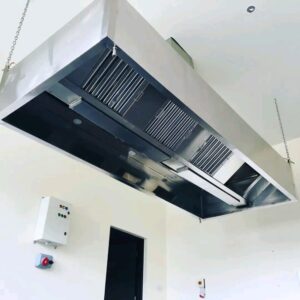
Commercial exhaust hoods require specialized maintenance because they are exposed to heat, smoke, grease particles, and airborne contaminants. Explain how exhaust hoods should be cleaned frequently to prevent grease accumulation that can affect efficiency and create safety risks. Discuss common issues such as stubborn grease deposits, discoloration, clogged filters, and reduced ventilation performance caused by poor maintenance. Highlight the importance of following manufacturer cleaning recommendations and including exhaust systems in regular stainless steel kitchen equipment maintenance schedules to improve performance and maintain kitchen safety.
6. Food Preparation Tables and Counters
Food preparation tables and counters require consistent maintenance because they come into direct contact with ingredients and food products. Explain how these surfaces should be cleaned and sanitized after each use to prevent bacteria buildup and maintain food safety standards. Discuss common issues such as scratches, stains, discoloration, and residue buildup caused by improper cleaning practices or excessive wear. Emphasize that proper stainless steel kitchen equipment maintenance ensures preparation surfaces remain safe, durable, and suitable for daily commercial kitchen operations.
How Often Should You Perform Stainless Steel Kitchen Equipment Maintenance?
One of the most common questions among restaurant owners and commercial kitchen managers is how often stainless steel kitchen equipment maintenance should be performed. The answer depends on how frequently the equipment is used, the type of food prepared, and the operating environment, but following a structured maintenance schedule is the best way to preserve equipment performance and prevent avoidable damage. Establishing routine maintenance intervals helps reduce repair costs, improve food safety, and extend the lifespan of commercial kitchen equipment. The following maintenance schedule provides a practical guide for implementing an effective stainless steel kitchen equipment maintenance routine:
Maintenance Task Recommended Frequency Surface cleaning After each use Daily washing Every day Equipment inspection Weekly Deep cleaning Monthly Professional inspection Every 6–12 months 1. Daily Maintenance Tasks
Daily stainless steel kitchen equipment maintenance should focus on keeping all food-contact surfaces clean, hygienic, and ready for continuous use. Explain how work tables, sinks, preparation counters, shelving, and other equipment should be cleaned immediately after use to remove food residue, grease, and moisture. Discuss the importance of washing equipment with mild detergent, rinsing thoroughly, drying completely, and inspecting for visible stains or damage at the end of each working day. Highlight that consistent daily maintenance is the foundation of an effective stainless steel kitchen equipment maintenance program because it prevents the gradual buildup of contaminants and protects equipment from premature wear.
2. Weekly Inspection Routine
Weekly inspections provide an opportunity to identify maintenance issues that may not be visible during daily cleaning. Explain how businesses should inspect equipment for rust, corrosion, loose fittings, damaged welds, scratches, clogged drains, and other signs of deterioration. Discuss the importance of cleaning hard-to-reach areas, checking structural components, and verifying that equipment continues to operate safely and efficiently. Emphasize that weekly stainless steel kitchen equipment maintenance helps detect minor problems early, reducing the likelihood of expensive repairs and unexpected equipment failures.
3. Monthly Deep Cleaning Schedule
Monthly deep cleaning goes beyond routine surface cleaning to restore equipment and address areas that experience hidden grease, moisture, and residue buildup. Explain how equipment should be moved where practical to clean underneath, behind, and around inaccessible areas that are difficult to reach during daily operations. Discuss the importance of inspecting joints, hinges, shelving supports, drainage systems, and ventilation components while performing a thorough cleaning. Highlight that incorporating deep cleaning into your stainless steel kitchen equipment maintenance schedule improves hygiene, preserves equipment performance, and helps maintain compliance with food safety standards.
4. Annual Professional Equipment Inspection
Although daily, weekly, and monthly maintenance can prevent many common problems, professional inspections remain an important part of comprehensive stainless steel kitchen equipment maintenance. Explain why qualified technicians should inspect commercial kitchen equipment every six to twelve months to identify hidden structural issues, worn components, corrosion, or mechanical problems that may not be obvious during routine inspections. Discuss how professional servicing helps maintain equipment reliability, supports workplace safety, and reduces the risk of major breakdowns that interrupt business operations. Conclude by emphasizing that combining regular in-house maintenance with periodic professional inspections provides the best long-term protection for stainless steel kitchen equipment.
10 Questions to Ask Before Ordering Custom Stainless Steel Kitchen Equipment
The global commercial food service industry continues to invest heavily in customized kitchen solutions as businesses seek greater efficiency, improved food safety, and optimized workflows. Choosing the right partner for custom stainless steel fabrication Kenya is one of the most important decisions you can make because every fabrication choice affects your kitchen’s performance, durability, and long-term operating costs. Ordering custom stainless steel kitchen equipment without asking the right questions can lead to expensive mistakes that are difficult and costly to correct later. This guide walks you through the essential questions every business should ask before investing in custom stainless steel kitchen equipment.
Why Is It Important to Ask the Right Questions Before Ordering Custom Stainless Steel Kitchen Equipment?
Ordering custom stainless steel kitchen equipment is a major investment that should be approached with careful planning rather than assumptions. Asking the right questions before fabrication begins helps you communicate your requirements clearly, evaluate your fabricator’s expertise, and ensure the finished equipment meets your operational goals. It also reduces unnecessary costs, minimizes project delays, and increases confidence in your purchasing decision. Before choosing a provider for custom stainless steel fabrication Kenya, consider why these questions are essential:
1. Prevent Costly Fabrication Mistakes
Fabrication mistakes often occur when project requirements, measurements, or equipment specifications are not discussed thoroughly before production begins. Asking detailed questions helps identify potential issues early, reducing the risk of costly redesigns, modifications, and project delays. It also ensures the fabricated equipment fits your available space and integrates seamlessly into your commercial kitchen workflow. Investing time in proper planning before custom stainless steel fabrication Kenya begins saves both time and money in the long run.
2. Ensure the Equipment Meets Your Business Needs
Every commercial kitchen operates differently depending on its available space, production capacity, menu, and daily workflow. Asking the right questions helps ensure your custom stainless steel equipment is designed specifically for your operational requirements rather than relying on standard solutions that may not deliver optimal performance. It also allows you to discuss customization options that improve productivity, food safety, and staff efficiency. The more clearly you communicate your needs, the more effectively your custom stainless steel fabrication Kenya project will support your business objectives.
3. Protect Your Long-Term Investment
Custom stainless steel kitchen equipment is designed to serve your business for many years, making it important to evaluate quality before placing an order. Asking questions about materials, fabrication standards, warranties, and maintenance helps you invest in equipment that delivers reliable long-term performance and lower operating costs. Understanding these factors also reduces the likelihood of unexpected repairs or premature replacements. A well-informed decision ensures your investment in custom stainless steel fabrication Kenya continues delivering value long after installation.
4. Choose the Right Fabrication Partner
The quality of your commercial kitchen equipment depends not only on the materials used but also on the expertise of the fabrication company you choose. Asking questions about experience, completed projects, production processes, customer support, and after-sales services helps you identify a fabricator that can consistently deliver quality workmanship. It also builds confidence that your project will be completed professionally, on schedule, and according to your specifications. With these fundamentals in mind, let’s explore the ten essential questions you should ask before ordering custom stainless steel kitchen equipment.
10 Essential Questions to Ask Before Ordering Custom Stainless Steel Kitchen Equipment
Ordering custom stainless steel kitchen equipment is a significant investment, and asking the right questions before fabrication begins can make the difference between a successful project and an expensive mistake. Every question helps you evaluate the quality of materials, fabrication expertise, customization options, project timelines, and long-term value before committing to a supplier. Understanding what to ask also enables you to compare providers of custom stainless steel fabrication Kenya more confidently and choose one that aligns with your business goals. The following ten questions will help you make an informed decision and invest in commercial kitchen equipment that delivers lasting performance:
Question 1: Is Food-Grade Stainless Steel Being Used for My Equipment?
The quality of your commercial kitchen equipment begins with the type of stainless steel used during fabrication. Not all stainless steel offers the same level of durability, corrosion resistance, or food safety, making it essential to understand the material before placing an order. Asking this question helps you determine whether your investment in custom stainless steel fabrication Kenya will deliver long-lasting performance and comply with commercial food preparation standards. Before approving any fabrication project, consider the following factors:
1. Why Food-Grade Stainless Steel Matters
Food-grade stainless steel is specifically designed for environments where hygiene, durability, and corrosion resistance are essential. Explain why food-grade stainless steel provides a non-porous surface that prevents bacteria buildup, simplifies cleaning, and supports food safety compliance. Discuss how high-quality materials withstand moisture, heat, cleaning chemicals, and heavy daily use without compromising performance. Emphasize that choosing food-grade materials is the foundation of reliable custom stainless steel fabrication Kenya.
2. Should You Choose 304 or 316 Stainless Steel?
Different grades of stainless steel perform differently depending on the operating environment. Explain that stainless steel 304 is widely used in most commercial kitchens because it offers excellent corrosion resistance, durability, and value, while stainless steel 316 provides additional protection against chemicals, salt, and high-moisture conditions. Discuss situations where each grade is most suitable and why businesses should consult experienced fabricators before making a decision. Reinforce that selecting the appropriate grade improves both equipment performance and long-term reliability.
3. How Material Quality Affects Equipment Lifespan
The lifespan of commercial kitchen equipment depends heavily on the quality of the materials used during fabrication. Explain how premium stainless steel resists rust, corrosion, dents, and structural damage, reducing maintenance costs and extending equipment service life. Discuss how lower-quality materials may require frequent repairs or early replacement, increasing long-term operating expenses. Conclude by emphasizing that investing in high-quality materials through custom stainless steel fabrication Kenya delivers greater value over the lifetime of the equipment.
Question 2: Can the Equipment Be Customized to Fit My Kitchen Layout and Workflow?
Every commercial kitchen has unique dimensions, production requirements, and daily workflows, making customization one of the greatest advantages of ordering fabricated equipment. Asking whether your equipment can be tailored to your kitchen ensures every piece is designed to maximize efficiency, improve staff movement, and utilize available space effectively. A well-planned custom fabrication project supports smoother operations while allowing your business to adapt as it grows. Before proceeding with custom stainless steel fabrication Kenya, discuss the following customization considerations:
1. Accurate Measurements
Accurate measurements are the foundation of successful custom fabrication. Explain why businesses should provide precise dimensions for available space, doorways, utility connections, and equipment placement before fabrication begins. Discuss how careful measurements prevent installation challenges, eliminate unnecessary modifications, and ensure equipment fits perfectly within the kitchen layout. Highlight that detailed planning results in a smoother fabrication and installation process.
2. Workflow Optimization
Commercial kitchen equipment should improve productivity rather than create obstacles during daily operations. Explain how customized layouts reduce unnecessary movement between preparation, cooking, storage, and cleaning stations while supporting a more efficient workflow. Discuss how equipment placement directly affects staff productivity, food preparation speed, and workplace safety. Reinforce that custom stainless steel fabrication Kenya allows businesses to create kitchens designed specifically around their operational requirements.
3. Planning for Future Expansion
Commercial kitchens often require additional equipment or increased production capacity as businesses grow. Explain why future expansion should be considered during the design stage to minimize renovation costs and operational disruptions later. Discuss how scalable layouts and flexible equipment designs make future upgrades easier without requiring a complete kitchen redesign. Emphasize that planning ahead ensures your investment continues supporting your business for many years.
Question 3: What Custom Stainless Steel Equipment Can Be Fabricated for My Business?
Understanding the range of equipment that can be custom fabricated helps businesses design commercial kitchens that meet their exact operational requirements. A professional fabrication company should be able to manufacture equipment that supports efficient workflows, food safety, and long-term durability rather than limiting clients to standard products. Knowing what is available also helps businesses plan complete commercial kitchen solutions instead of purchasing equipment from multiple suppliers. Consider the following custom stainless steel fabrication Kenya options before placing your order:
1. Stainless Steel Kitchen Sinks
Explain how custom-fabricated stainless steel sinks can be designed in different sizes, bowl configurations, and layouts to support food preparation, cleaning, and sanitation requirements. Discuss the benefits of tailoring sinks to available space and operational needs while ensuring compliance with food safety standards. Highlight how custom sinks improve efficiency in busy commercial kitchens.
2. Work Tables and Preparation Counters
Work tables and preparation counters are essential for efficient food preparation and daily kitchen operations. Explain how custom fabrication allows businesses to specify dimensions, shelving, undershelves, backsplashes, and reinforced structures based on their workflow requirements. Discuss how customized preparation stations improve productivity while maximizing available workspace.
3. Shelving, Cabinets, and Storage Solutions
Proper storage is essential for maintaining organized, hygienic, and efficient commercial kitchens. Explain how custom shelving units, wall-mounted cabinets, floor-standing cabinets, and storage systems can be fabricated to utilize available space more effectively. Discuss how tailored storage solutions improve accessibility while supporting better inventory management and workplace organization.
4. Exhaust Hoods and Ventilation Systems
Commercial ventilation systems play a critical role in maintaining safe and comfortable kitchen environments. Explain how custom-fabricated exhaust hoods are designed to match cooking equipment, improve airflow, remove grease-laden vapors, and control heat more effectively. Discuss why properly designed ventilation systems contribute to workplace safety, regulatory compliance, and overall kitchen efficiency.
Question 4: What Is Included in the Custom Stainless Steel Fabrication Process?
Understanding the fabrication process helps you know what to expect after placing your order and gives you confidence in the quality of the finished equipment. A professional fabricator should follow a structured process that prioritizes accurate planning, premium materials, skilled craftsmanship, and thorough quality control. Knowing each stage also allows you to monitor project progress and ensure your requirements are being met from start to finish. Before proceeding with custom stainless steel fabrication Kenya, make sure you understand the following stages of the fabrication process:
1. Design Consultation
Every successful fabrication project begins with a detailed consultation to understand your business requirements, kitchen layout, and operational goals. Explain how professional fabricators discuss equipment specifications, dimensions, workflow, and customization preferences before developing a fabrication plan. Discuss why this stage helps eliminate misunderstandings, improve functionality, and ensure the final equipment aligns with your expectations. Emphasize that a comprehensive design consultation creates a strong foundation for successful custom stainless steel fabrication Kenya.
2. Material Selection
Selecting the right materials is essential for producing durable, hygienic, and long-lasting commercial kitchen equipment. Explain why fabricators should recommend food-grade stainless steel based on your operating environment, production requirements, and maintenance expectations. Discuss the importance of choosing the appropriate stainless steel grade to maximize corrosion resistance, strength, and long-term performance. Highlight that quality materials directly influence the reliability and lifespan of fabricated equipment.
3. Fabrication and Welding
Once the design and materials have been approved, skilled technicians begin the fabrication process using precision cutting, bending, forming, and welding techniques. Explain how experienced fabricators ensure every joint, weld, and structural component meets high standards of strength, accuracy, and appearance. Discuss why precision craftsmanship contributes to equipment durability, safety, and professional finishing. Reinforce that expert fabrication is one of the defining characteristics of high-quality custom stainless steel fabrication Kenya.
4. Quality Inspection
Before delivery, every piece of fabricated equipment should undergo a thorough quality inspection to verify that it meets the approved specifications and performance standards. Explain how inspections identify any defects, structural weaknesses, finishing imperfections, or dimensional inconsistencies before installation. Discuss why quality assurance helps prevent future operational issues while ensuring customer satisfaction. Conclude by emphasizing that comprehensive inspections demonstrate a fabricator’s commitment to delivering reliable commercial kitchen equipment.
Question 5: How Long Will Custom Stainless Steel Fabrication Kenya Take?
Project timelines are an important consideration when planning a new commercial kitchen, renovation, or business expansion. Understanding how long custom stainless steel fabrication Kenya takes helps you coordinate construction schedules, equipment installation, and operational planning more effectively. While every project varies depending on its complexity and level of customization, discussing timelines in advance helps set realistic expectations and avoid unnecessary delays. Before confirming your order, clarify the following stages of the project timeline:
1. Design Approval Timeline
The fabrication process cannot begin until the final design has been reviewed and approved by both the client and the fabricator. Explain why businesses should carefully review equipment dimensions, layouts, and specifications before giving final approval. Discuss how prompt feedback and clear communication help prevent delays while ensuring every detail meets operational requirements. Highlight that completing the design approval stage efficiently keeps the entire project on schedule.
2. Fabrication Schedule
The fabrication schedule depends on the complexity of the equipment, project size, material availability, and current production workload. Explain why businesses should request an estimated production timeline before placing an order so they can plan accordingly. Discuss how experienced fabricators provide realistic schedules while maintaining high standards of workmanship and quality. Reinforce that transparent communication throughout custom stainless steel fabrication Kenya builds trust and improves project management.
3. Delivery and Installation
Delivery and installation represent the final stages of the fabrication process and should be coordinated carefully to avoid disrupting business operations. Explain why businesses should confirm transportation arrangements, installation dates, and site readiness before equipment leaves the fabrication workshop. Discuss how professional installation ensures equipment is positioned correctly, operates safely, and performs according to design specifications. Conclude by emphasizing that proper planning helps ensure a smooth transition from fabrication to full commercial kitchen operation.
Question 6: Will the Equipment Meet Food Safety and Hygiene Standards?
Commercial kitchen equipment should not only improve productivity but also support the highest standards of food safety and hygiene. Asking how fabricated equipment meets hygiene requirements helps businesses protect customers, comply with food safety regulations, and maintain a clean working environment. Professional fabricators design equipment that simplifies cleaning, minimizes contamination risks, and withstands demanding commercial use. Before investing in custom stainless steel fabrication Kenya, discuss the following food safety considerations:
1. Hygienic Design Features
Well-designed commercial kitchen equipment incorporates features that reduce contamination risks while improving cleaning efficiency. Explain why smooth welds, rounded corners, seamless construction, and properly finished edges help prevent food particles, grease, and bacteria from accumulating. Discuss how hygienic design contributes to safer food preparation and easier maintenance. Highlight that quality fabrication supports both operational efficiency and food safety compliance.
2. Easy-to-Clean Surfaces
Commercial kitchen equipment should be designed to simplify daily cleaning and routine sanitation. Explain how smooth stainless steel surfaces resist stains, moisture, and bacterial growth while allowing food residues to be removed quickly. Discuss why easy-to-clean equipment reduces cleaning time, improves workplace hygiene, and supports consistent food safety practices. Reinforce that premium custom stainless steel fabrication Kenya prioritizes surfaces that remain hygienic throughout years of commercial use.
3. Compliance With Commercial Kitchen Standards
Commercial kitchen equipment should be manufactured to support industry hygiene requirements and safe food handling practices. Explain why businesses should confirm that fabricated equipment is suitable for restaurants, hotels, hospitals, schools, catering companies, and food processing facilities. Discuss how compliance with recognized food safety standards protects both business operations and customer confidence. Conclude by emphasizing that choosing an experienced fabricator helps ensure every piece of equipment is designed with hygiene, safety, and long-term performance in mind.
Question 7: What Warranty, Installation, and After-Sales Support Will I Receive?
Ordering custom stainless steel kitchen equipment is a long-term investment, making it important to understand the support you will receive after fabrication is complete. A reliable fabricator should stand behind the quality of their workmanship by offering warranties, professional installation, and dependable after-sales services that keep your equipment operating at its best. Clarifying these services before placing an order helps protect your investment while reducing future maintenance concerns. Before choosing a provider for custom stainless steel fabrication Kenya, ask about the following support services:
1. Product Warranty
A comprehensive warranty demonstrates that the fabricator is confident in the quality of their materials and workmanship. Explain why businesses should understand what the warranty covers, its duration, and the process for resolving manufacturing defects if they arise. Discuss how comparing warranty terms between suppliers helps buyers make informed decisions based on long-term value rather than price alone. Highlight that a strong warranty provides additional confidence when investing in custom stainless steel fabrication Kenya.
2. Professional Installation
Proper installation is essential for ensuring commercial kitchen equipment operates safely and efficiently from the first day of use. Explain why businesses should confirm whether the fabricator provides professional installation services or installation guidance. Discuss how correct installation improves equipment performance, minimizes operational issues, and helps prevent unnecessary repairs caused by improper setup. Emphasize that experienced installation protects both your equipment and your investment.
3. Maintenance Support
Routine maintenance is essential for extending the lifespan of commercial kitchen equipment and maintaining hygiene standards. Explain why businesses should ask whether the fabricator provides maintenance advice, technical support, or preventive maintenance services after installation. Discuss how ongoing support helps identify minor issues before they become costly repairs while ensuring equipment continues performing efficiently. Reinforce that dependable maintenance support adds long-term value to your investment.
4. Spare Parts Availability
Even high-quality equipment may occasionally require replacement components due to normal wear and tear. Explain why businesses should confirm that spare parts are readily available to minimize downtime if repairs become necessary. Discuss how quick access to replacement parts keeps commercial kitchens operating smoothly without lengthy service interruptions. Conclude by emphasizing that reliable after-sales support is a key characteristic of a trusted custom stainless steel fabrication Kenya provider.
Question 8: Can You Show Me Previous Custom Fabrication Projects and Client References?
A fabricator’s previous work provides valuable insight into the quality, consistency, and reliability of their services. Reviewing completed projects and speaking with previous clients allows businesses to verify a fabricator’s experience before committing to a significant investment. Reputable fabrication companies are proud to showcase successful projects that demonstrate their expertise and craftsmanship. Before selecting a company for custom stainless steel fabrication Kenya, request the following information:
1. Completed Commercial Kitchen Projects
Completed projects demonstrate a fabricator’s ability to deliver practical, high-quality commercial kitchen solutions across different industries. Explain why businesses should review previous installations involving restaurants, hotels, hospitals, schools, catering companies, and food processing facilities. Discuss how project portfolios showcase fabrication quality, customization capabilities, and attention to detail. Highlight that reviewing previous work helps buyers visualize the standard of equipment they can expect.
2. Customer Testimonials
Customer feedback offers valuable insight into a fabricator’s professionalism, communication, workmanship, and overall customer experience. Explain why businesses should request testimonials, online reviews, or client references before making a purchasing decision. Discuss how positive feedback from satisfied customers builds confidence while helping identify suppliers with a strong reputation for quality and reliability. Emphasize that consistent customer satisfaction reflects a commitment to delivering exceptional fabrication services.
3. Industry Experience
Experience plays a significant role in delivering commercial kitchen equipment that meets operational requirements and industry standards. Explain why businesses should evaluate how long the fabricator has been serving the commercial kitchen industry and the types of projects they have successfully completed. Discuss how experienced fabricators provide better technical advice, anticipate project challenges, and deliver solutions tailored to different business environments. Conclude by reinforcing that proven experience is an important indicator of a dependable custom stainless steel fabrication Kenya partner.
Question 9: What Is the Total Cost and What Does the Quotation Include?
Understanding the full cost of a custom fabrication project helps businesses budget accurately and compare suppliers fairly. A detailed quotation should clearly outline every service, material, and cost involved so there are no unexpected expenses during or after fabrication. Transparent pricing also demonstrates professionalism and builds trust between the fabricator and the client. Before approving your custom stainless steel fabrication Kenya project, clarify the following cost details:
1. Fabrication Costs
Fabrication costs should clearly specify the price of materials, manufacturing, labor, and customization required for your project. Explain why businesses should request an itemized quotation that breaks down each cost rather than accepting a single lump-sum figure. Discuss how detailed pricing makes it easier to compare quotations from different suppliers while understanding exactly what you are paying for. Highlight that transparency helps buyers make informed investment decisions.
2. Delivery and Installation Charges
Transportation and installation costs can vary depending on the size of the project and the delivery location. Explain why businesses should confirm whether these services are included in the quotation or billed separately. Discuss how understanding delivery schedules and installation charges helps prevent unexpected expenses while supporting better project planning. Reinforce that clear pricing contributes to a smoother purchasing experience.
3. Hidden Costs to Clarify Before Ordering
Unexpected charges can significantly increase the overall cost of a fabrication project if they are not discussed in advance. Explain why businesses should ask about possible additional costs such as design revisions, site modifications, special finishes, or changes requested after fabrication begins. Discuss how identifying these costs early prevents misunderstandings and protects project budgets. Conclude by emphasizing that transparent quotations are a hallmark of a trustworthy custom stainless steel fabrication Kenya provider.
Question 10: Why Should I Trust You With My Custom Stainless Steel Kitchen Project?
The final question brings together everything you have learned throughout the buying process by helping you evaluate whether a fabricator is truly the right partner for your project. Beyond pricing and product specifications, trust is built through experience, quality workmanship, customer service, and a proven commitment to client success. Asking this question encourages suppliers to demonstrate the value they bring beyond simply manufacturing equipment. Before making your final decision on custom stainless steel fabrication Kenya, evaluate the following qualities:
1. Experience and Expertise
Experienced fabricators have a deeper understanding of commercial kitchen operations, fabrication techniques, and industry requirements. Explain why businesses should look for companies with a proven track record of delivering successful projects across different sectors. Discuss how technical expertise enables fabricators to recommend practical solutions that improve efficiency and long-term equipment performance. Highlight that experience reduces project risks while increasing confidence in the final outcome.
2. Fabrication Quality
The quality of fabrication directly influences the durability, safety, and lifespan of commercial kitchen equipment. Explain why businesses should evaluate welding quality, structural integrity, finishing, and attention to detail before selecting a fabrication company. Discuss how superior craftsmanship results in stronger, more reliable equipment that performs consistently under demanding commercial conditions. Reinforce that quality should always be prioritized over short-term cost savings.
3. Customer Service
Excellent customer service reflects a company’s commitment to supporting clients throughout every stage of the fabrication process. Explain why businesses should choose a fabricator that communicates clearly, responds promptly to inquiries, and provides professional guidance from consultation through installation. Discuss how responsive service creates a smoother project experience while building confidence in the supplier. Emphasize that strong customer relationships often lead to better project outcomes and greater satisfaction.
4. Long-Term Partnership
The best fabrication companies continue supporting their clients long after equipment has been delivered and installed. Explain why businesses benefit from working with suppliers that provide ongoing technical advice, maintenance support, future customization services, and assistance as operational needs evolve. Discuss how long-term partnerships simplify future expansion while ensuring consistent quality across multiple projects. Conclude by emphasizing that choosing a trusted provider of custom stainless steel fabrication Kenya means investing in a reliable partner committed to your business’s long-term success.
How Can You Compare Custom Stainless Steel Fabrication Companies in Kenya Before Making Your Final Decision?
By the time you have asked the right questions, you should have a clear understanding of what each fabrication company offers. The final step is comparing potential suppliers objectively to determine which one delivers the best combination of quality, expertise, value, and long-term support. Looking beyond the initial quotation helps you choose a fabrication partner that will meet your current needs while supporting your business as it grows. Use the following criteria to compare providers of custom stainless steel fabrication Kenya before making your final decision:
1. Compare Experience
Experience is one of the strongest indicators of a fabricator’s ability to deliver reliable commercial kitchen solutions. Explain why businesses should compare the number of years each company has been operating, the industries they have served, and the complexity of projects they have successfully completed. Discuss how experienced fabricators understand commercial kitchen workflows, anticipate potential challenges, and recommend practical solutions that improve operational efficiency. Emphasize that choosing an experienced provider of custom stainless steel fabrication Kenya reduces project risks and increases confidence in the final product.
2. Compare Product Quality
The quality of fabricated equipment determines how well it performs under demanding commercial conditions and how long it will last. Explain why businesses should compare the type of stainless steel used, fabrication standards, welding quality, structural strength, and surface finishes offered by different suppliers. Discuss how premium materials and precision craftsmanship contribute to improved hygiene, easier maintenance, and lower long-term operating costs. Reinforce that superior product quality provides greater value than simply choosing the lowest quotation.
3. Compare Fabrication Capabilities
Not every fabrication company offers the same level of customization or technical expertise. Explain why businesses should compare each supplier’s ability to fabricate custom sinks, work tables, shelving units, cabinets, exhaust hoods, preparation counters, and complete commercial kitchen solutions. Discuss how advanced fabrication capabilities allow businesses to create kitchens that maximize available space, improve workflow, and accommodate future expansion. Highlight that greater fabrication flexibility often results in more efficient and productive commercial kitchens.
4. Compare Pricing and Value
Comparing quotations should involve more than reviewing the final price. Explain why businesses should evaluate what each quotation includes, such as materials, customization, installation, warranties, delivery, and after-sales support. Discuss how a higher-quality solution often provides better long-term value by reducing maintenance costs, minimizing downtime, and extending equipment lifespan. Conclude by emphasizing that the best provider of custom stainless steel fabrication Kenya delivers the strongest overall value rather than simply the lowest price.
5. Compare After-Sales Support
A fabrication company’s commitment should continue long after the equipment has been delivered and installed. Explain why businesses should compare warranty coverage, maintenance services, technical support, spare parts availability, and responsiveness when evaluating different suppliers. Discuss how dependable after-sales support protects your investment while ensuring equipment continues operating efficiently throughout its lifespan. Reinforce that strong customer support is a key characteristic of a trusted long-term fabrication partner.
Single Bowl vs Double Bowl Stainless Steel Sinks: Which Is Best for Your Business?
How Can You Compare Stainless Steel Sink Suppliers in Kenya Before Making Your Final Decision?
By this stage, you should have a clear understanding of the type of stainless steel sink your business needs and the features that matter most. The final step is evaluating potential suppliers to ensure they can deliver high-quality products, reliable service, and long-term value. Comparing suppliers objectively helps you avoid costly purchasing mistakes while choosing a partner that can support your current and future commercial kitchen requirements. Use the following criteria to compare providers of stainless steel sink Kenya before making your final decision:
1. Compare Product Quality
The quality of a stainless steel sink directly affects its durability, hygiene, and long-term performance. Explain why businesses should compare the stainless steel grade, gauge thickness, welding quality, surface finish, and overall craftsmanship offered by different suppliers. Discuss how premium materials and precision fabrication produce sinks that resist corrosion, simplify cleaning, and withstand heavy commercial use. Emphasize that investing in a high-quality stainless steel sink Kenya reduces maintenance costs while providing greater long-term value.
2. Compare Fabrication Experience
An experienced supplier understands the unique operational requirements of different commercial kitchens and can recommend solutions that improve efficiency. Explain why businesses should evaluate how long each supplier has been manufacturing stainless steel sinks and review previous projects completed for restaurants, hotels, hospitals, schools, catering companies, and food processing facilities. Discuss how industry experience contributes to better workmanship, professional consultation, and dependable project delivery. Highlight that working with an experienced supplier minimizes risks and increases confidence in your investment.
3. Compare Customization Options
Every commercial kitchen has unique space constraints and workflow requirements that may not be addressed by standard sink designs. Explain why businesses should compare each supplier’s ability to provide custom bowl configurations, drainboards, shelving, backsplashes, dimensions, and installation options. Discuss how customized stainless steel sinks improve workflow, maximize available space, and support long-term operational efficiency. Reinforce that flexible customization is a strong indicator of a capable stainless steel sink Kenya supplier.
4. Compare Pricing and Overall Value
The lowest quotation does not always represent the best investment for your business. Explain why buyers should compare what each quotation includes, such as material quality, customization, delivery, installation, warranties, and after-sales support. Discuss how a slightly higher investment in premium equipment often reduces maintenance expenses, minimizes downtime, and extends equipment lifespan. Conclude by emphasizing that businesses should prioritize overall value rather than focusing solely on purchase price.
5. Compare Warranty and After-Sales Support
Reliable customer support continues well beyond the initial purchase and plays an important role in protecting your investment. Explain why businesses should compare warranty coverage, installation services, maintenance support, spare parts availability, and responsiveness when evaluating suppliers. Discuss how dependable after-sales support helps maintain equipment performance while reducing operational disruptions if issues arise. Highlight that choosing a supplier with strong customer support ensures long-term peace of mind and continued business success.
Commercial Kitchen Shelving Buying Guide: 8 Factors You Should Never Ignore
Frequently Asked Questions About Stainless Steel Kitchen Shelves Kenya
Choosing the right stainless steel kitchen shelves Kenya requires understanding material quality, design options, maintenance requirements, and supplier capabilities. Below are answers to common questions buyers ask when selecting stainless steel shelving solutions for homes, restaurants, hotels, and commercial kitchens:
1. Why are stainless steel kitchen shelves better than other shelving materials?
Stainless steel kitchen shelves are preferred because they offer excellent durability, hygiene, corrosion resistance, and easy maintenance compared to materials such as wood or plastic. They are strong enough to support heavy kitchen equipment, resist moisture and stains, and provide a clean surface suitable for food preparation areas. Their long lifespan and professional appearance make them ideal for homes, restaurants, hotels, and commercial kitchens.
2. What grade of stainless steel is best for commercial kitchen shelves?
Stainless steel grade 304 is commonly considered the best choice for commercial kitchen shelves because it provides excellent corrosion resistance, durability, and food-safe performance. For kitchens exposed to high moisture, salt, or harsh cleaning chemicals, stainless steel grade 316 may provide additional protection. The best choice depends on the kitchen environment, usage requirements, and expected durability.
3. How much weight can stainless steel kitchen shelves hold?
The weight capacity of stainless steel kitchen shelves depends on factors such as shelf design, stainless steel thickness, support structure, fabrication quality, and installation method. Heavy-duty commercial shelves can support larger loads compared to standard shelving options. Before purchasing, buyers should discuss their storage needs with a supplier to select shelves designed to safely handle the required weight.
4. Should I choose wall-mounted or freestanding kitchen shelves?
The choice between wall-mounted and freestanding stainless steel kitchen shelves depends on your available space, storage requirements, and kitchen workflow. Wall-mounted shelves help maximize floor space and are suitable for smaller kitchens or areas where easy cleaning is important. Freestanding shelves provide greater flexibility, higher storage capacity, and easier adjustment when kitchen requirements change.
5. Can I order custom stainless steel kitchen shelves in Kenya?
Yes, custom stainless steel kitchen shelves Kenya can be designed and fabricated to match specific kitchen layouts, storage needs, and operational requirements. Custom fabrication allows you to choose shelf dimensions, designs, tiers, mounting options, and additional features that improve functionality. Working with an experienced fabricator ensures you receive shelving solutions that maximize space and support efficient kitchen operations.
6. How do I clean and maintain stainless steel kitchen shelves?
Stainless steel kitchen shelves can be cleaned using mild soap, warm water, and a soft cloth to remove dirt, grease, and food residue. Avoid abrasive cleaning materials and harsh chemicals that may damage the stainless steel finish. Regular cleaning, proper drying, and routine maintenance help preserve hygiene, appearance, and the long-term performance of your shelving system.
7. How long do stainless steel kitchen shelves last?
High-quality stainless steel kitchen shelves can last for many years, often providing over a decade of reliable service when properly fabricated, installed, and maintained. Their lifespan depends on factors such as stainless steel grade, construction quality, usage conditions, and maintenance practices. Investing in premium materials and professional fabrication helps ensure better durability and long-term value.
8. How do I choose the best stainless steel kitchen shelves for my business?
To choose the best stainless steel kitchen shelves for your business, consider your storage requirements, available space, expected weight capacity, stainless steel grade, customization options, and supplier experience. Select shelves made from food-grade stainless steel and work with a trusted supplier that provides professional consultation, quality fabrication, installation support, and reliable after-sales service.
Choose Kitchenware Fabricators Kenya for Reliable Stainless Steel Kitchen Shelves Kenya
Upgrade your kitchen storage with durable stainless steel kitchen shelves Kenya from Kitchenware Fabricators Kenya. We provide premium food-grade stainless steel shelving, custom fabrication, professional installation support, and tailored storage solutions for homes, restaurants, hotels, and commercial kitchens. Contact Kitchenware Fabricators Kenya today to discuss your shelving requirements and get a reliable solution designed for quality, durability, and long-term performance. Reach out to us now for expert consultation and a competitive quote that meets your kitchen storage needs.
How to Choose the Best Stainless Steel Work Table for Your Commercial Kitchen
A commercial kitchen’s efficiency starts with having the right preparation equipment, and choosing the wrong work surface can affect hygiene, workflow, and daily productivity. A stainless steel work table Kenya provides more than a place to prepare food—it creates a durable, organized, and hygienic workspace designed to support demanding kitchen operations. However, selecting the right work table requires careful consideration of material quality, size, design, workload requirements, and supplier expertise to ensure long-term value.
Why Are Stainless Steel Work Tables Essential for Commercial Kitchens?
Commercial kitchen work tables are essential for creating organized, hygienic, and efficient food preparation environments where staff can complete daily tasks with greater speed and accuracy. They provide stable surfaces for preparing ingredients, arranging equipment, and supporting smooth kitchen operations while maintaining high cleanliness standards. Investing in the right stainless steel work table Kenya helps businesses improve workflow, enhance food safety, maximize available space, and achieve better long-term performance. The following benefits explain why stainless steel work tables are a valuable investment for commercial kitchens:
1. Improve Food Preparation Efficiency
Stainless steel work tables create dedicated preparation areas that allow kitchen staff to complete tasks in a more organized and efficient manner. By providing a reliable workspace for chopping, mixing, assembling meals, and preparing ingredients, these tables reduce unnecessary movement and help employees access essential tools and supplies faster. A properly positioned work table improves workflow during busy service periods by creating structured workstations where staff can perform tasks with greater speed, accuracy, and consistency.
2. Support Food Safety and Hygiene Standards
Food safety is a major priority in commercial kitchens, and stainless steel work tables provide hygienic surfaces that support proper sanitation practices. The smooth, non-porous nature of stainless steel prevents moisture absorption and reduces the risk of bacteria buildup, making the surface easier to clean and maintain. Since stainless steel is resistant to corrosion, stains, and frequent cleaning procedures, businesses can maintain safer food preparation areas while meeting strict hygiene requirements with a quality stainless steel work table Kenya.
3. Provide a Durable and Long-Lasting Work Surface
Commercial kitchens require equipment that can withstand constant use, exposure to moisture, and demanding preparation activities, making stainless steel work tables an ideal choice. Their resistance to heat, stains, corrosion, and daily wear ensures they maintain strength and functionality over time. Investing in durable stainless steel work tables reduces the need for frequent replacements and maintenance, helping businesses lower operational costs while enjoying reliable performance for many years.
4. Maximize Commercial Kitchen Organization
An organized kitchen improves productivity, and stainless steel work tables help businesses create structured preparation areas that support better workflow management. Many work tables are designed with additional features such as undershelves, drawers, and storage sections that keep utensils, ingredients, and equipment easily accessible. By reducing clutter and creating dedicated work zones, stainless steel work tables help commercial kitchens maintain cleaner layouts, improve efficiency, and support smoother daily operations.
5. Improve Workplace Safety and Productivity
A professionally designed stainless steel work table provides a stable and secure workspace that helps reduce safety risks associated with poor organization or unsuitable preparation surfaces. Proper table height and ergonomic designs allow kitchen staff to work more comfortably while reducing unnecessary strain during long working hours. By creating efficient workstations where employees can perform tasks safely and effectively, the right stainless steel work table Kenya contributes to improved productivity and better overall kitchen performance.
How Do You Choose the Right Stainless Steel Work Table for Your Business?
Choosing the right stainless steel work table depends on understanding how your kitchen operates, the available workspace, daily workload, and future business plans. Different commercial kitchens have different preparation requirements, meaning the ideal work table should support your specific activities while improving efficiency and organization. Evaluating your operational needs before purchasing helps you select a solution that provides reliable performance, better workflow, and long-term value:
1. Evaluate Your Kitchen Activities and Requirements
The first step in choosing the right stainless steel work table is understanding how it will be used within your kitchen operations. Consider the type of food preparation activities you perform, the equipment that will be placed on the table, and the storage requirements needed to support daily tasks. Restaurants, bakeries, hotels, and catering businesses may require different designs depending on their workload and preparation processes. Selecting a work table based on your actual operational requirements ensures better functionality and helps create a more efficient kitchen environment.
2. Consider Your Available Kitchen Space
The size and layout of your kitchen play an important role when selecting a stainless steel work table. Businesses should carefully measure available preparation areas, walkways, and surrounding equipment placement to ensure the table fits comfortably without restricting movement. Avoiding overcrowded spaces allows staff to move safely and complete tasks more efficiently during busy operations. A properly planned kitchen layout with the right work table placement improves workflow and maximizes the available space.
3. Match the Work Table to Your Industry
Different industries have unique kitchen requirements, so the right stainless steel work table should match the specific demands of your business. Restaurants may require flexible preparation surfaces for fast-paced meal production, while hotels often need larger workstations to support high-volume food preparation. Bakeries may require specialized surfaces for baking activities, hospitals need hygienic solutions that support strict sanitation standards, and catering companies often benefit from versatile designs that support different events. Food processing facilities may require heavy-duty tables designed for continuous production, making it important to choose a work table that aligns with your industry needs.
4. Plan for Future Growth
When selecting a stainless steel work table, businesses should consider not only their current requirements but also their future expansion plans. As production levels increase, kitchens may require additional preparation space, more equipment, or improved storage capacity. Choosing flexible designs that can adapt to changing operational needs helps avoid frequent replacements or costly modifications in the future. Planning for growth ensures your investment continues to provide value as your business expands.
5. Focus on Long-Term Value
While price is an important consideration, businesses should focus on the overall value a stainless steel work table provides throughout its lifespan. High-quality materials, strong fabrication, durability, and low maintenance requirements often deliver better returns compared to cheaper alternatives that may require frequent repairs or replacement. Evaluating the long-term benefits of your investment helps you choose a work table that improves efficiency, reduces operational costs, and supports reliable kitchen performance for many years.
Should You Choose a Custom Stainless Steel Work Table Instead of a Standard Option?
Standard stainless steel work tables can meet the needs of many commercial kitchens, but custom fabrication provides additional flexibility for businesses with unique layouts, specialized operations, or specific storage requirements. Custom solutions allow work tables to be designed around exact measurements, workflow needs, and operational challenges that standard options may not fully address. Choosing a custom stainless steel work table can help businesses maximize space, improve efficiency, and create a workstation that perfectly supports their kitchen operations:
1. Designed to Match Your Kitchen Layout
Custom stainless steel work tables are designed according to your kitchen’s exact measurements, allowing businesses to maximize available space and create more efficient layouts. Unlike standard models with fixed dimensions, custom fabrication ensures the work table fits perfectly within preparation areas, corners, and existing equipment arrangements. This improves workflow by creating workstations that are positioned exactly where staff need them while reducing wasted space within the kitchen.
2. Improve Preparation Efficiency
A custom stainless steel work table allows businesses to design preparation areas based on their specific workflow requirements. Strategic placement of the table, combined with suitable features and dimensions, improves accessibility to ingredients, equipment, and tools while reducing unnecessary movement by kitchen staff. By creating a workstation that supports the way employees actually work, custom solutions help increase productivity and make daily kitchen operations more efficient.
3. Add Specialized Features
Custom fabrication allows businesses to include specialized features that may not be available with standard work tables. Options such as drawers, undershelves, splashbacks, additional storage sections, and unique dimensions can be incorporated based on specific operational needs. These additional features help improve organization, increase functionality, and create a more practical workspace that supports smoother kitchen operations.
4. Support Different Commercial Kitchen Requirements
Every commercial kitchen has unique challenges and operational demands, which makes customized solutions valuable for different industries. Restaurants, hotels, bakeries, hospitals, catering companies, and food processing facilities may require work tables designed for specific tasks, hygiene standards, or production processes. Custom stainless steel work tables provide specialized solutions that align with industry requirements while improving overall kitchen efficiency.
5. Deliver Better Long-Term Value
Although custom stainless steel work tables may require a higher initial investment, they often provide better long-term value through improved functionality and durability. A work table designed specifically for your kitchen reduces the need for future modifications, improves operational efficiency, and adapts better to changing business needs. Investing in a customized solution helps businesses achieve a more reliable workspace while maximizing the return on their equipment investment.